Concerned about the potential impact of large-scale solar fields on the community, the Town Council recently adopts new rules that encourage the alternative energy, but not some of the visual blight that can come with it.
FOR IMMEDIATE RELEASE
CONTACT: Matt Sheley at (401) 712-2221 or msheley@middletownri.com
SOLAR RULES GET SOME TEETH
MIDDLETOWN, R.I. (OCTOBER 26, 2021) – We’ve all seen them and wondered “How did that project get approved?”
Supportive of the increased interest in solar power but not the sometimes sweeping negative visual impact of such facilities, the Town Council recently approved several amendments to its ordinances recommended by the Planning Board.
The goal was to continue to encourage renewable energy, but strive to limit the solar sprawl that can plague some of those projects.
“We’re trying to balance providing alternative energy while also protecting community character, particularly in residential areas,” Town Planner Ronald Wolanski said about the new ordinances at a recent meeting.
Across Rhode Island – and at least one neighboring community -- it’s not uncommon to hear of concerns about large fields of solar panels popping up seemingly overnight on otherwise vacant land.
No matter your feelings on alternative energy, it would be difficult to argue they’re beautiful or blend into their surroundings naturally when they’re not properly screened and set back from neighboring properties.
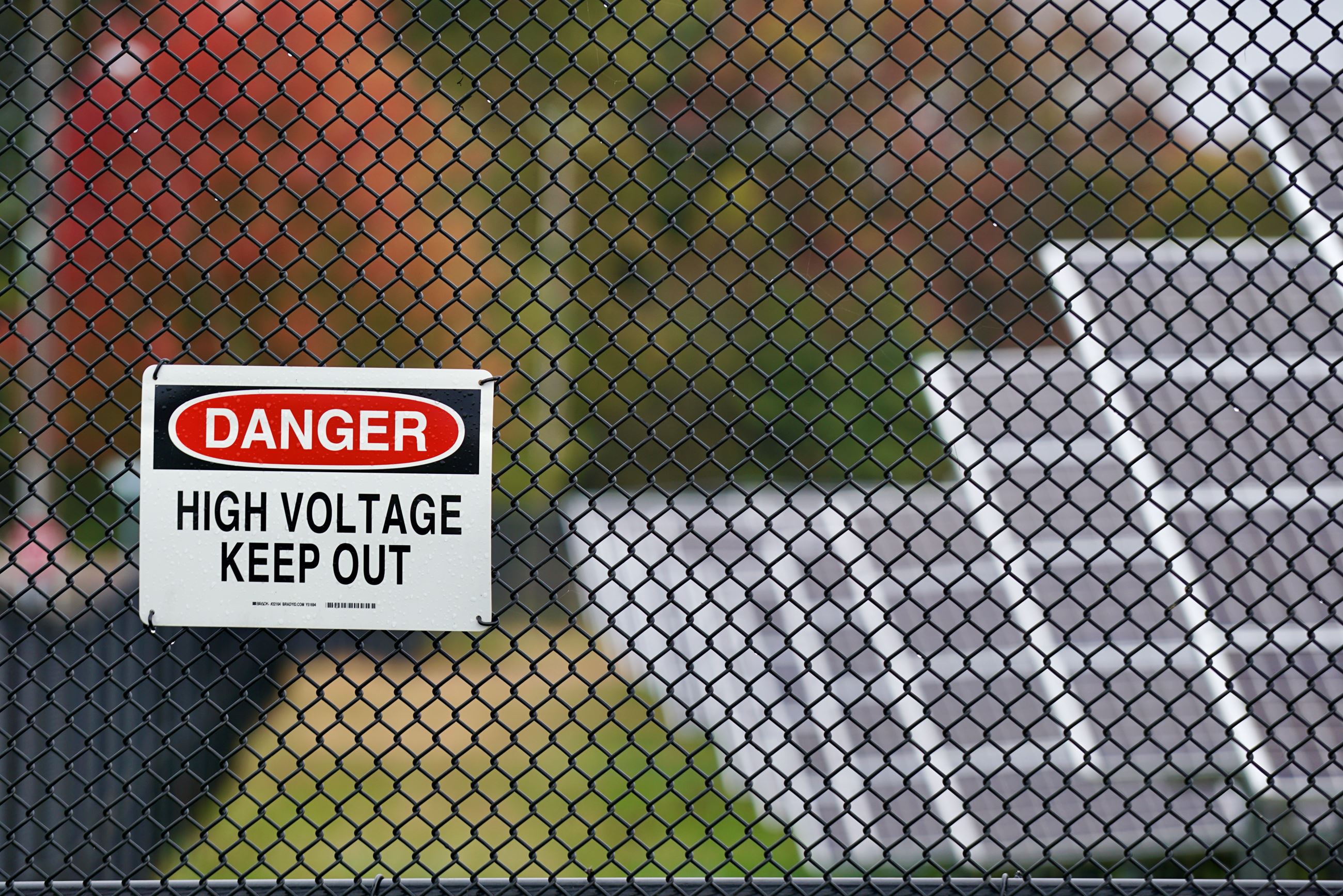
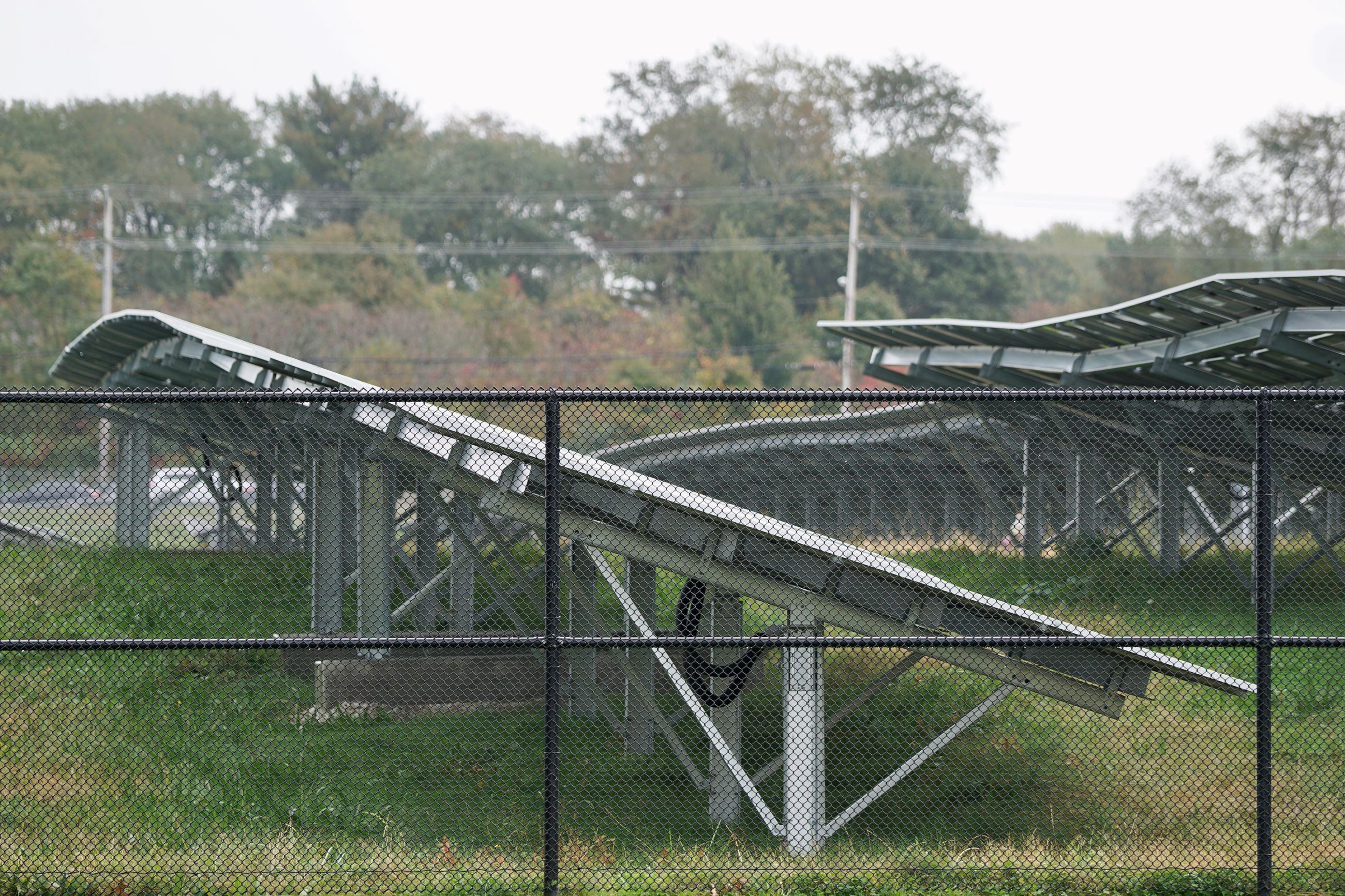
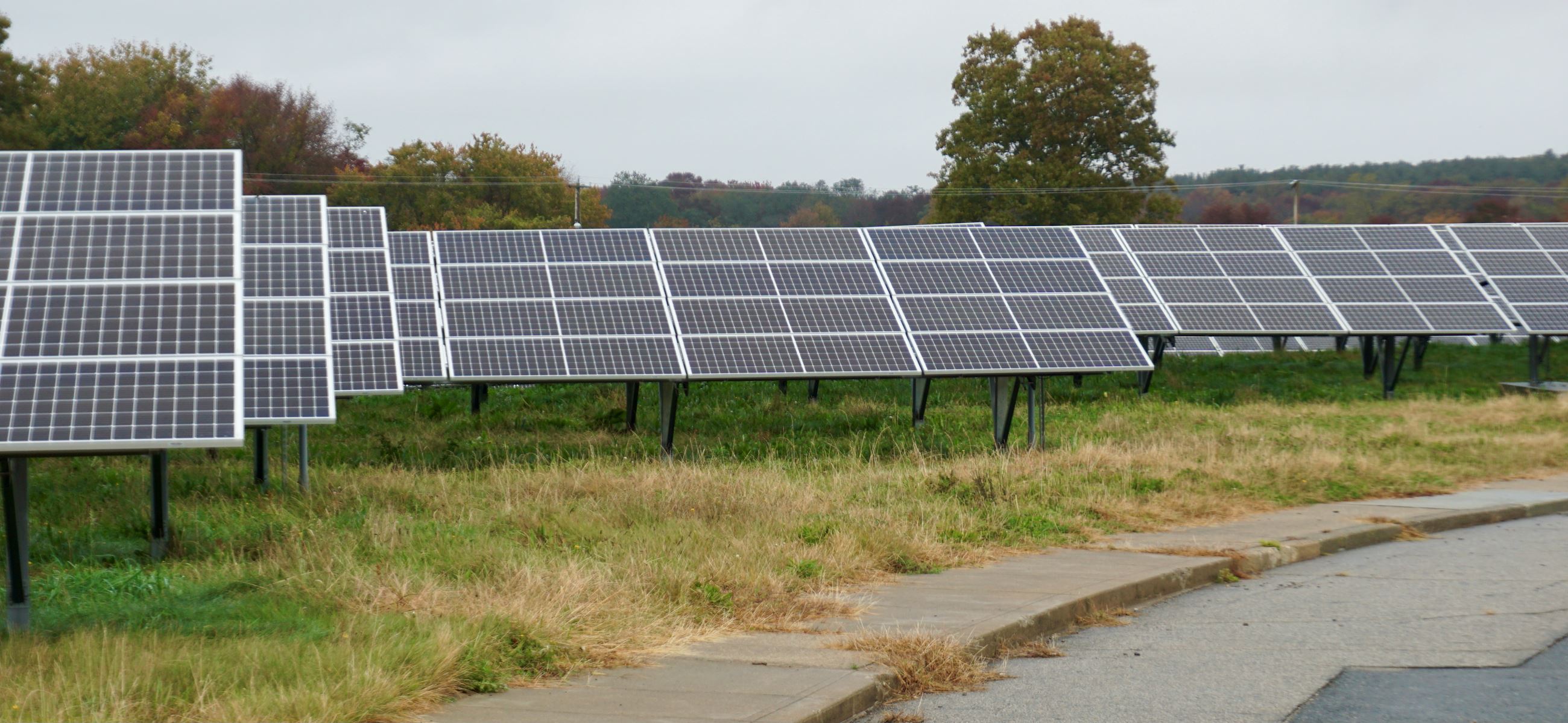
Middletown is home to a handful of ground mounted solar fields, prominently in the rear of the Aquidneck Corporate Park, in front of the Wyndham Newport Hotel on Aquidneck Avenue as well as the Vanicek property at 1133 West Main Road across from Forest Avenue.
There are far more roof-mounted solar panels, which can been seen across the community from Navy housing on the west side to the roof of the shopping center at the corner of East Main Road and Valley Road owned by Kenneth Alves and the Sea Whale Motel on lower Aquidneck Avenue, among other locations.
Wolanski said the new rules would not impact the Town’s handling of such roof-mounted solar arrays, which are considered an accessory use and typically permitted without zoning relief.
Before the updated rules were adopted on Oct. 18, the Town did have ordinances guiding the placement of solar panels. However, Wolanski said given what’s happening in other areas – and even Middletown itself – it made sense to pursue the amendments.
“It was felt that, and the Planning Board really believes, the current regulation is not sufficient to protect the Town and also doesn’t do one thing that came up specifically allowing solar carports…” Wolanski said. “These are being built more and more. Bristol Community College in Massachusetts has these as well as some other institutional operations.”
Under the revised ordinances, the following rules were now in place:
- The threshold for small-scale and large-scale solar projects is now 1,000 square feet.
- Only small-scale solar projects 1,000-square-feet or less can take place in any residential zone.
- Small-scale solar projects must be an accessory to the principal use for all solar projects in residential districts.
- Large-scale solar developers are required to keep topsoil in case the solar project is removed as part of a soil preservation requirement.
- New screening, landscaping and setback rules are in place.
- Electrical lines leading to a ground-mounted solar array must be buried.
- Ground mounted solar arrays cannot be taller than 12 feet.
- A development plan review is still required for any large-scale solar project more than 1,000 square feet.
For a complete list of the new rules, visit https://www.middletownri.com/DocumentCenter/View/2929/Solar-Array-Rulesonline.
“You probably have heard or read in the news about facilities being proposed or built in other parts of the state where there’s large commercial-scale solar facilities being applied for or built on farmland or forested areas,” Wolanski said. “It’s created a lot of controversy on the west side of the bay and that’s something the Planning Board wanted to ensure that they addressed in this ordinance. Most of those areas, particularly in Middletown, are in our residentially zoned areas.”
Town Council President Paul M. Rodrigues applauded the effort to try to get ahead of the issue before it became a real cause for concern locally.
“I just want to make sure we have something in place,” Rodrigues said. “Because this reminds me a lot of the other alternative energy, when the wind (turbines) first came out and we didn’t have regulations and we started scrambling because you could pop them up in your backyard if you wanted to.”
####