For the 20th season, piping plovers have returned to Middletown beaches. Experts ask people visiting Sachuest and Third beaches to be cautious when walking near roped off areas by the eastern ends of both facilities.
FOR IMMEDIATE RELEASE
CONTACT: Matt Sheley at (401) 712-2221 or msheley@middletownri.com
PIPING PLOVERS BACK AT MIDDLETOWN BEACHES
MIDDLETOWN, R.I. (MAY 14, 2021) – Just because you can’t see them doesn’t mean they’re not there.
For the twentieth summer in a row, piping plovers have returned to the Middletown beach area to nest and try to raise their chicks.
According to Maureen Durkin, there are five plover pairs in the area. Three pairs are nesting on Sachuest (Second) beach -- two on U.S. Fish & Wildlife Service property at the Sachuest Point National Wildlife Refuge, the other on the town’s portion of the beach. As for Third Beach, Durkin said one pair is nesting on the town’s portion of the beach, the other on the federal refuge side. Durkin is a wildlife biologist working with the Fish & Wildlife overseeing the shorebird program.
Because the birds, their eggs and chicks are hard to spot, Durkin asked visitors to steer clear of both areas and make sure all dogs are leashed when visiting the beaches at designated times during the summer months.
“The total of five pairs…is a high for the Sachuest area since they returned in 2002, so we’re very encouraged to see them doing so well…” Durkin said. “Rhode Island dipped to only 10 pairs of plovers in the entire state around when the birds were listed as threatened under the Endangered Species Act in the mid-1980s, and they were gone entirely from Middletown. Now, we're on the road to recovery and have around 80 pairs in the state and five in Middletown. This wouldn't have been possible without the help of many different organizations and support of the public.”
Will Cronin, the town’s Facilities & Operations Manager who oversees the beaches, said it was wonderful news the plovers returned for another summer.
“It shows they’ve had successful nests for a number of years, or they wouldn’t be coming back,” Cronin said. “I guess our conservation efforts are truly paying off as well as our work with U.S. Fish & Wildlife and our other community partners.”
After almost being hunted out of existence, piping plovers are making quite a comeback thanks to conservation efforts by Fish & Wildlife, the town and partners like the Norman Bird Sanctuary among others. Prior news reports indicated that plovers hadn’t been seen in decades locally before the confirmed 2002 nesting.
They’ve returned to the town’s beaches every year since, with varying success nesting. The male scratches the sand in several areas before the female picks a spot to lay her eggs. The nests are often lined with shell fragments and pebbles and are well camouflaged, making them difficult to see.
Then, Durkin said the adult plovers maintain a tight watch on the nest, drawing predators away using a variety of techniques to protect their eggs. She said they typically fledge in July and August and return south for the winter. Plovers typically spend the winter months from North Carolina to the Caribbean.
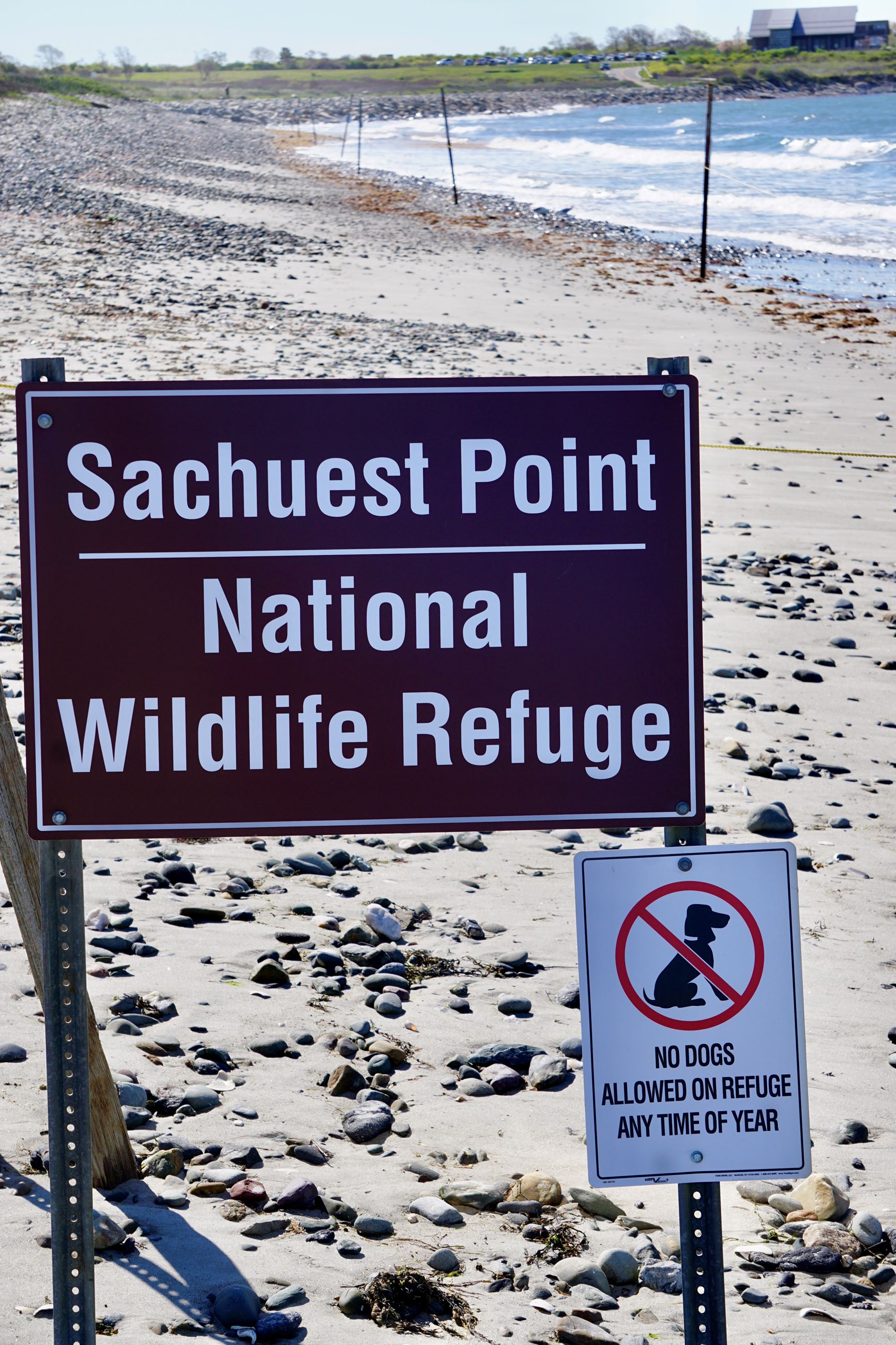
This week, the areas where the plovers have nested were posted with signed poles and yellow rope. Durkin asked anyone walking by those areas to use extreme caution to avoid stepping on a plover, one of their chicks or an egg. The areas inside each roped off section are strictly off limits and violators can be punished under federal law.
Considered an “endangered” species, harmful acts against plovers can lead to a $25,000 fine and up to six months in prison for a felony, with unintentional violations carrying up to $1,000 in fines.
“It’s important that everyone stay out and away from the roped off areas,” Cronin said. “This is also true for our dog population that can only visit the beach from 5-7:45 in the morning during the summer and must be leashed.”
Durkin agreed, saying space and awareness were critical to the success of the piping plovers.
“The best thing people can do to help the plovers is to share the beach with them -- by respecting posted areas, following dog rules and giving them a little space if you come upon them feeding,” Durkin said. “People can also talk to their friends, neighbors, and fellow beachgoers about them and help generate support. Many people may not know about them, or only see the closed off areas and not realize that Middletown beaches are home to a rare species.”
Durkin said coexisting with the piping plovers was key.
“We can successfully use the beaches and enjoy our summer while also giving the birds some space to raise their families for a few months out of the year -- it just takes support from the community,” Durkin said. “Helping others to observe the birds from a safe distance can be a great experience as well. The best way to watch the plovers is to sit or stand still if you see them. Typically, if you remain still and watch they will go about their feeding or chick-rearing as if you aren't there. Plover chicks especially are adorable and fun to watch and many locals in Middletown that we meet out on the beach love to watch them grow up over the summer and track their progress.”
Today, thanks to conservation efforts, Durkin said the number of piping plover pairs across The Ocean State has stabilized.
“The U.S. Fish & Wildlife Service has partnered with the Town of Middletown public works department for many years to manage plovers on the town beaches, and they are great conservation partners,” Durkin said. “We also work with Norman Bird Sanctuary on Third Beach and have had the support of volunteers and community members to make plover conservation a success in Middletown.
“I think that the fact that the plovers keep returning, and the population slowly increasing, indicates that there's good habitat on Middletown beaches for them to nest on that is not developed, and they are able to successfully find enough food and raise their young here.
“In my experience in speaking to folks on the beach, the relatively natural quality, lack of development, and opportunities to view nature are part of what many people love about the Sachuest area -- and the plovers being here is really indicative of those qualities that make the beaches in this area appealing and we all enjoy. Balancing summer crowds and plover conservation is not always easy, but I think that Middletown has been a success story that it can be done if everyone is willing to work together and share the beach.”
####
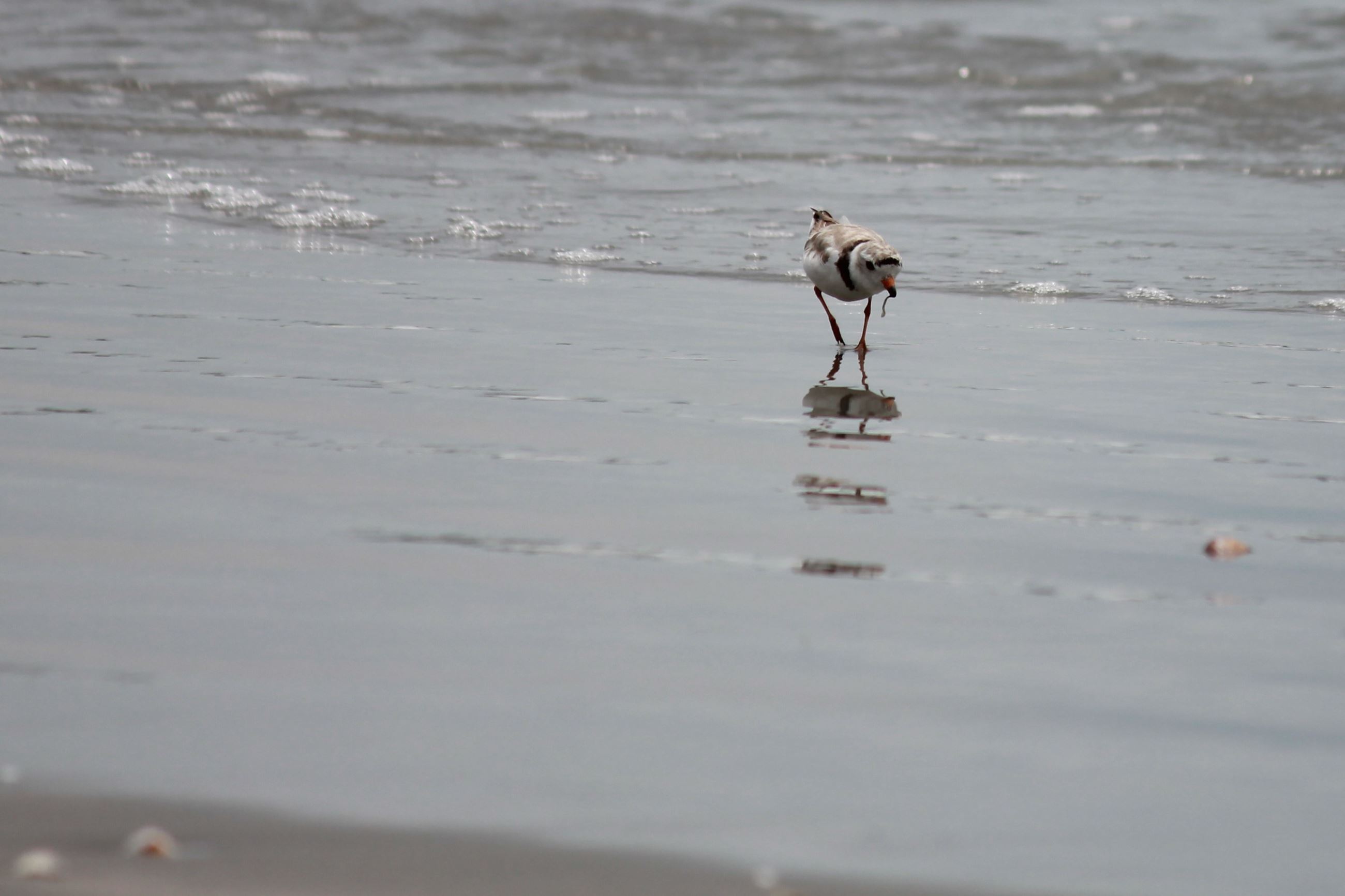
Maureen Durkin photo (Summer 2020)
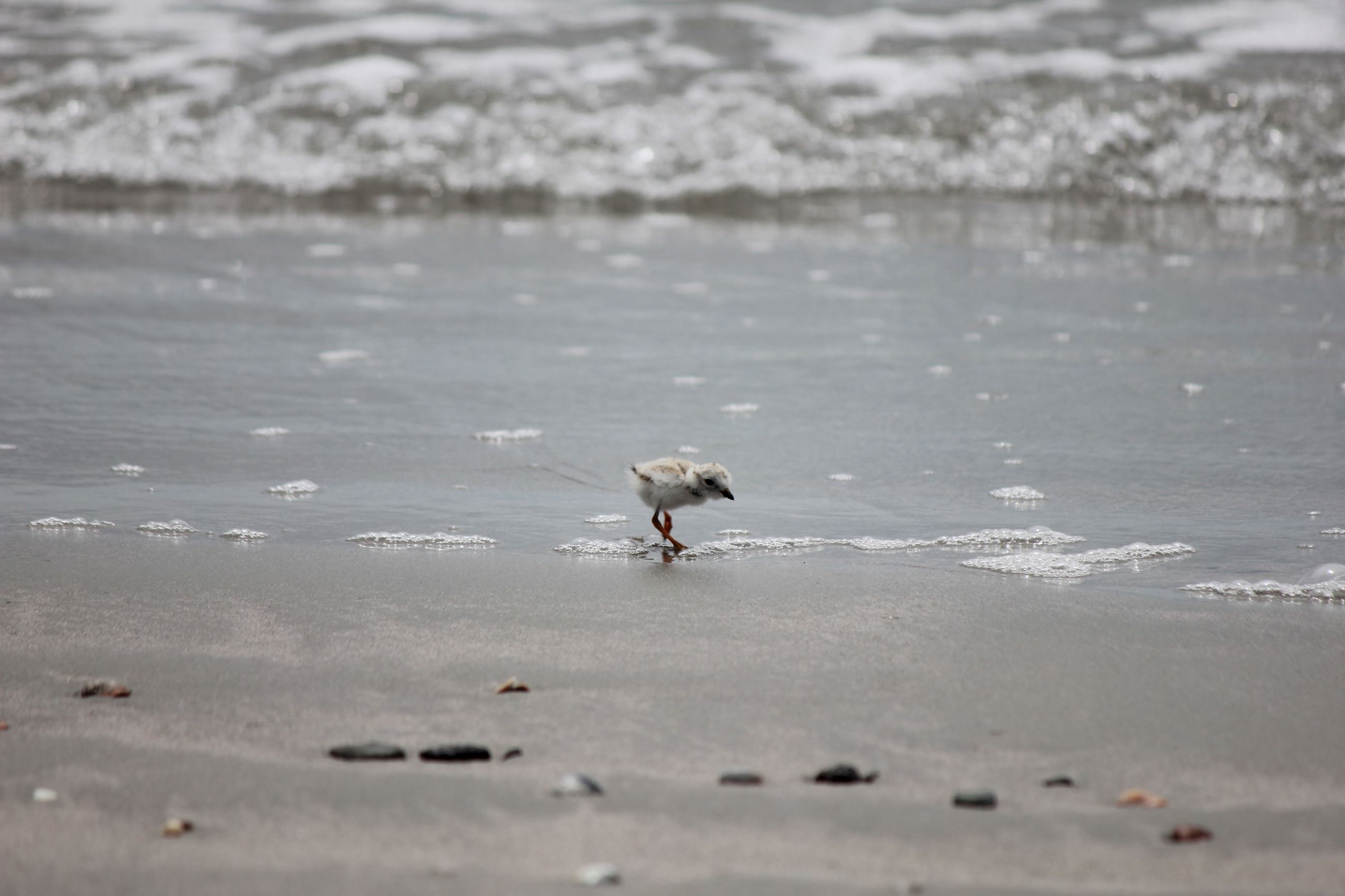
Maureen Durkin photo (Summer 2020)
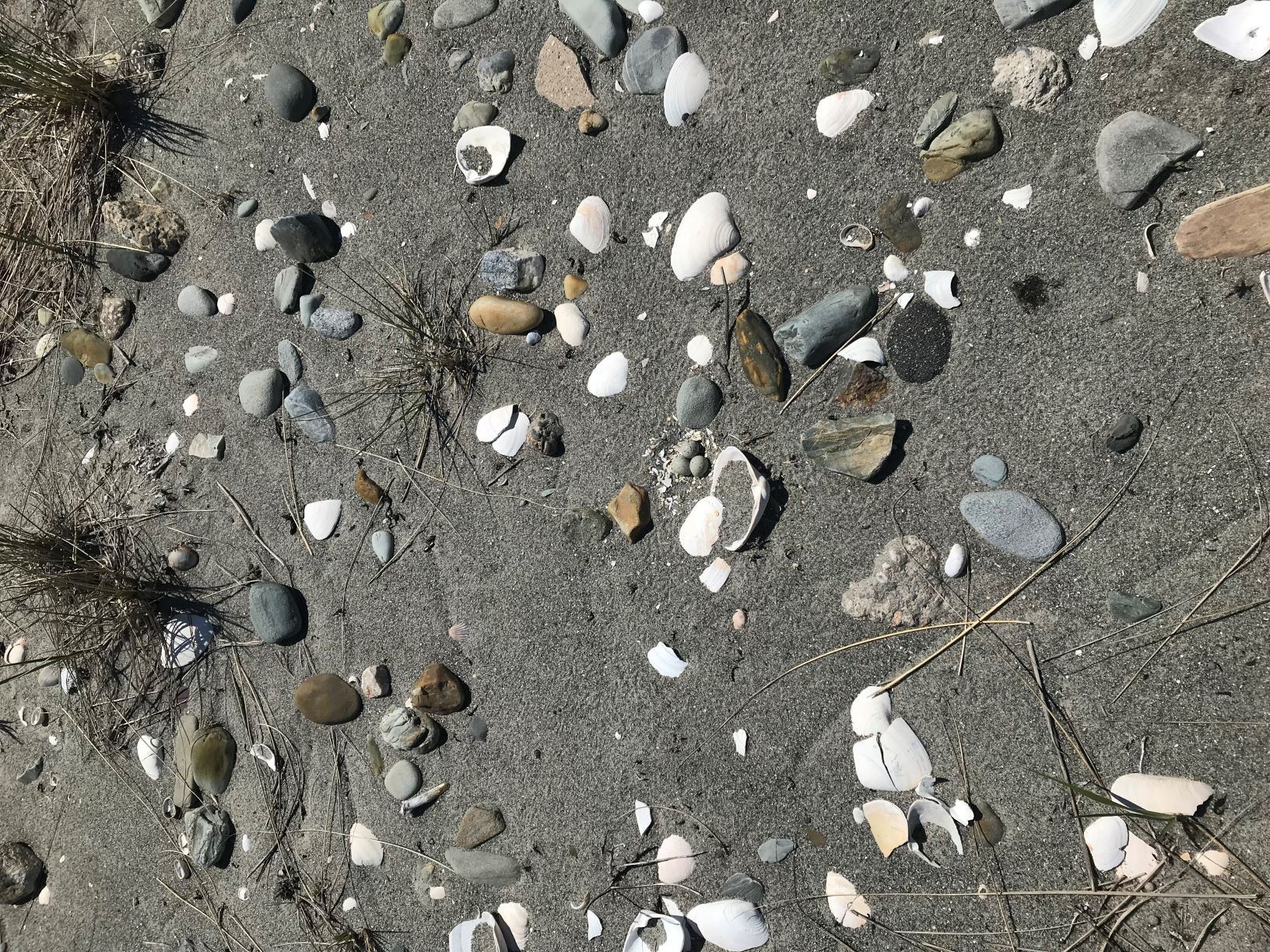
Maureen Durkin photo (Summer 2020)
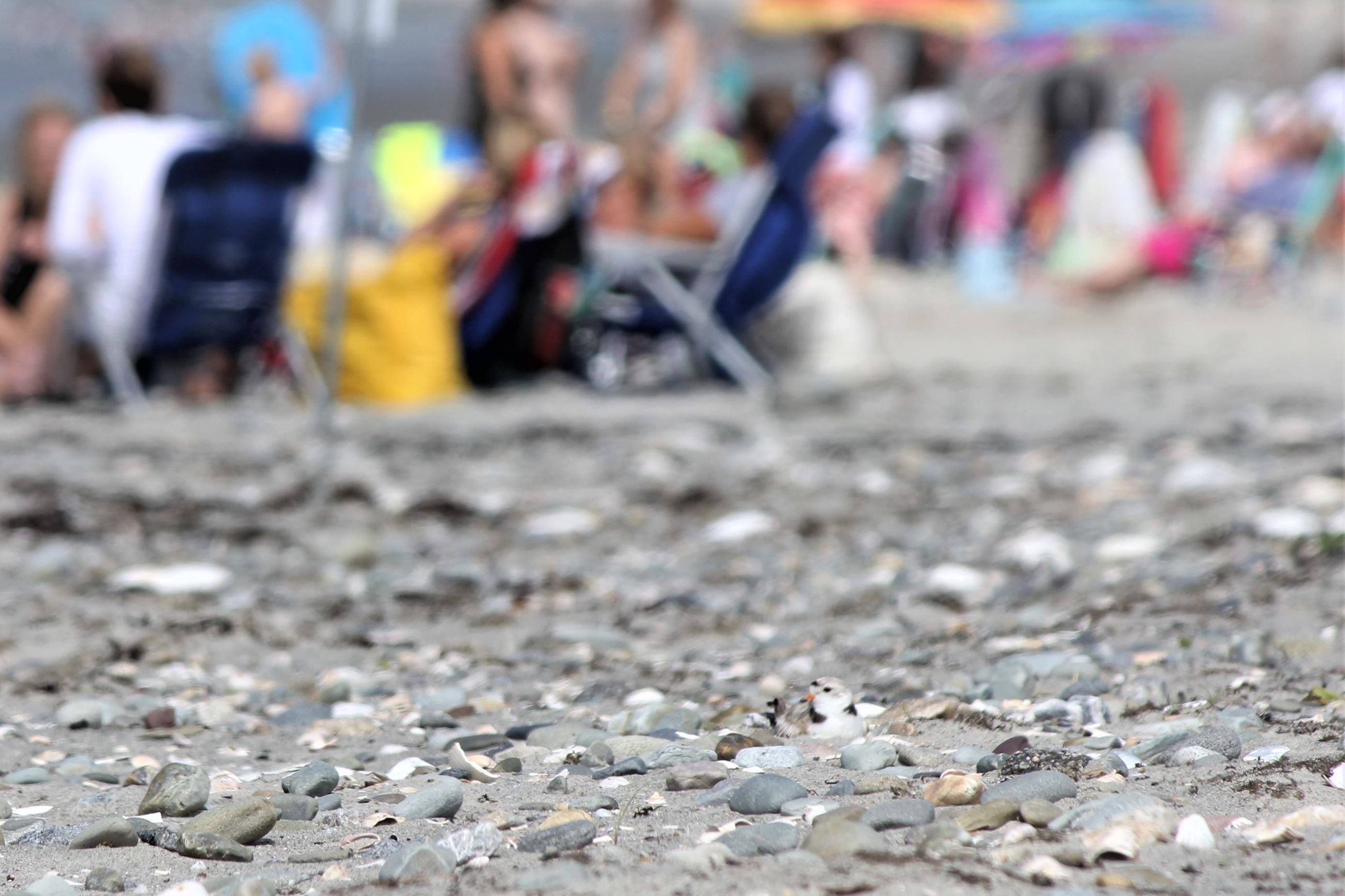
Maureen Durkin photo (Summer 2020)