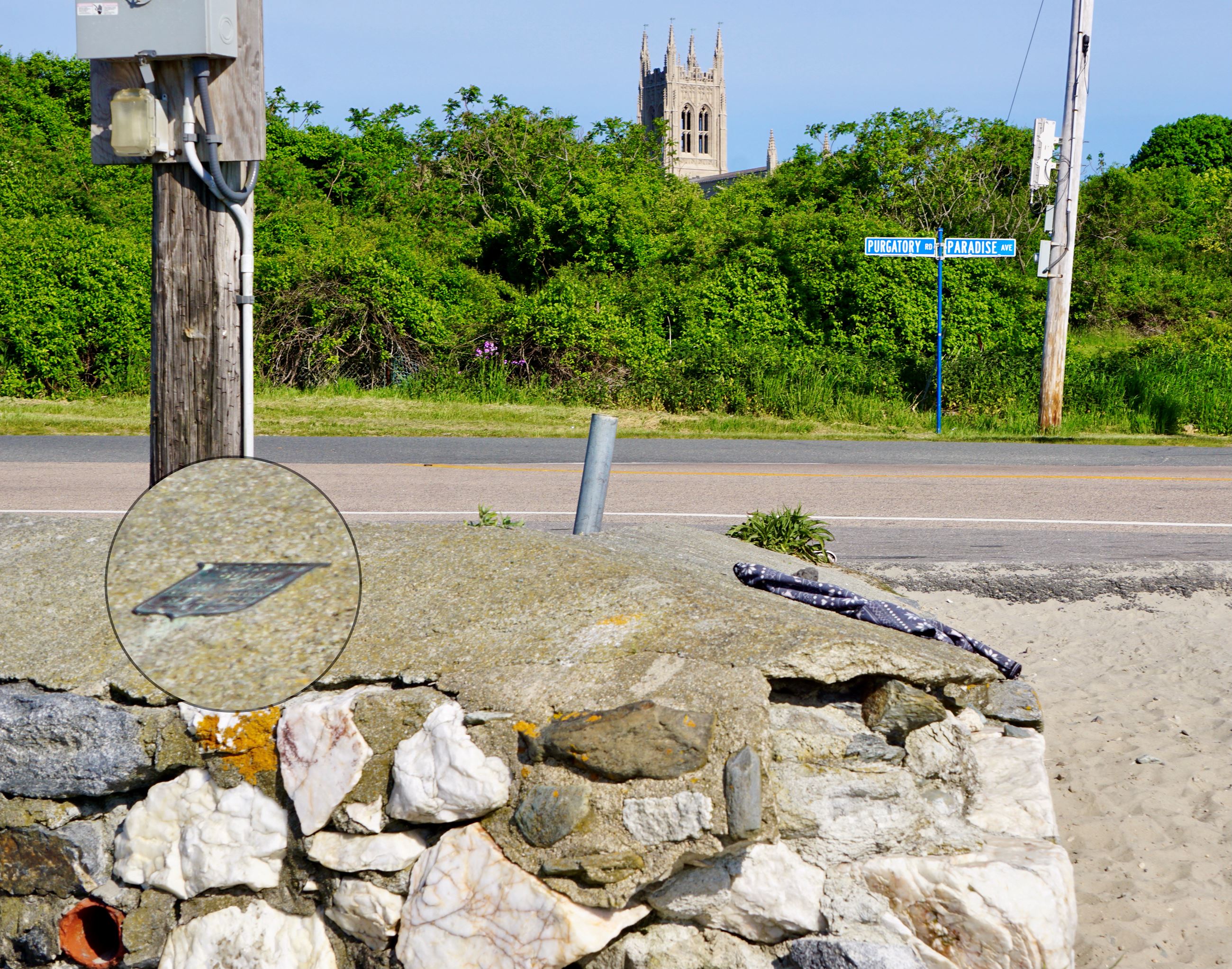
Several sharp-eyed readers knew the plaque pictured was located in the sea wall at Surfer's End. Continue to read to learn more about the subject of this week's "Where Am I?"
FOR IMMEDIATE RELEASE
CONTACT: Matt Sheley (401) 712-2221 or msheley@middletownri.com
"WHERE AM I?" ANSWER HARKENS BACK TO FDR, "NEW DEAL"
MIDDLETOWN, R.I. (JULY 2, 2021) – We have an answer for this week’s “Where Am I?”
Shortly after the post went live Thursday, multiple people said the picture was from the sea wall at the Surfer’s End of Second Beach to the left of the ramp on Sachuest Point Road. Those individuals were correct.
The plaque dated 1940 was installed as part of the Work Projects Administration effort across the country through President Franklin D. Roosevelt’s “New Deal.”
According to Encyclopedia Britannica, the goal of the “New Deal” was to help snap the United States out of the Great Depression, a dramatic economic downturn in 1929 that cost millions of Americans their jobs.
The Works Progress Administration – changed to the Work Projects Administration in 1939 – provided jobs for 8.5 million people at a time when more than 11 million were unemployed.
By any measure, the WPA accomplished much during its eight-year run. More than 650,000 miles of road were paved, 75,000 bridges built along with 8,000 parks and 800 airports.
The WPA employed thousands of artists, writers and actors, who created art for public buildings, performed in community theaters and other civic improvement efforts.
The National Youth Administration was also established under the WPA, which created part-time employment for younger people.
The program was disbanded in 1943 after unemployment dropped to almost zero due to the ramp up for World War II, but vestiges of the WPA remain across the town – and country.
Several people who chimed in said there were other similar signs by Atlantic Beach and Easton’s Beach Bridge leading from Middletown into Newport.
In his travels, Town Engineer Warren Hall said it’s always fun to come across a WPA plate.
“I see them all over the state, especially on larger scale projects such as seawalls like the Cliff Walk (in Newport),” Hall said. “These projects remind us of how resilient designs and construction techniques were being used even then through the post War era.”
####