Year after year, the small threatened shorebirds are finding success nesting at Second and Third beaches. The summer of 2021 was no different, according to a recent report.
FOR IMMEDIATE RELEASE
CONTACT: Matt Sheley at (401) 712-2221 or msheley@middletownri.com
POSITIVES FOR PIPING PLOVERS
MIDDLETOWN, R.I. (AUGUST 31, 2021) – It was a strong year for piping plovers in Middletown.
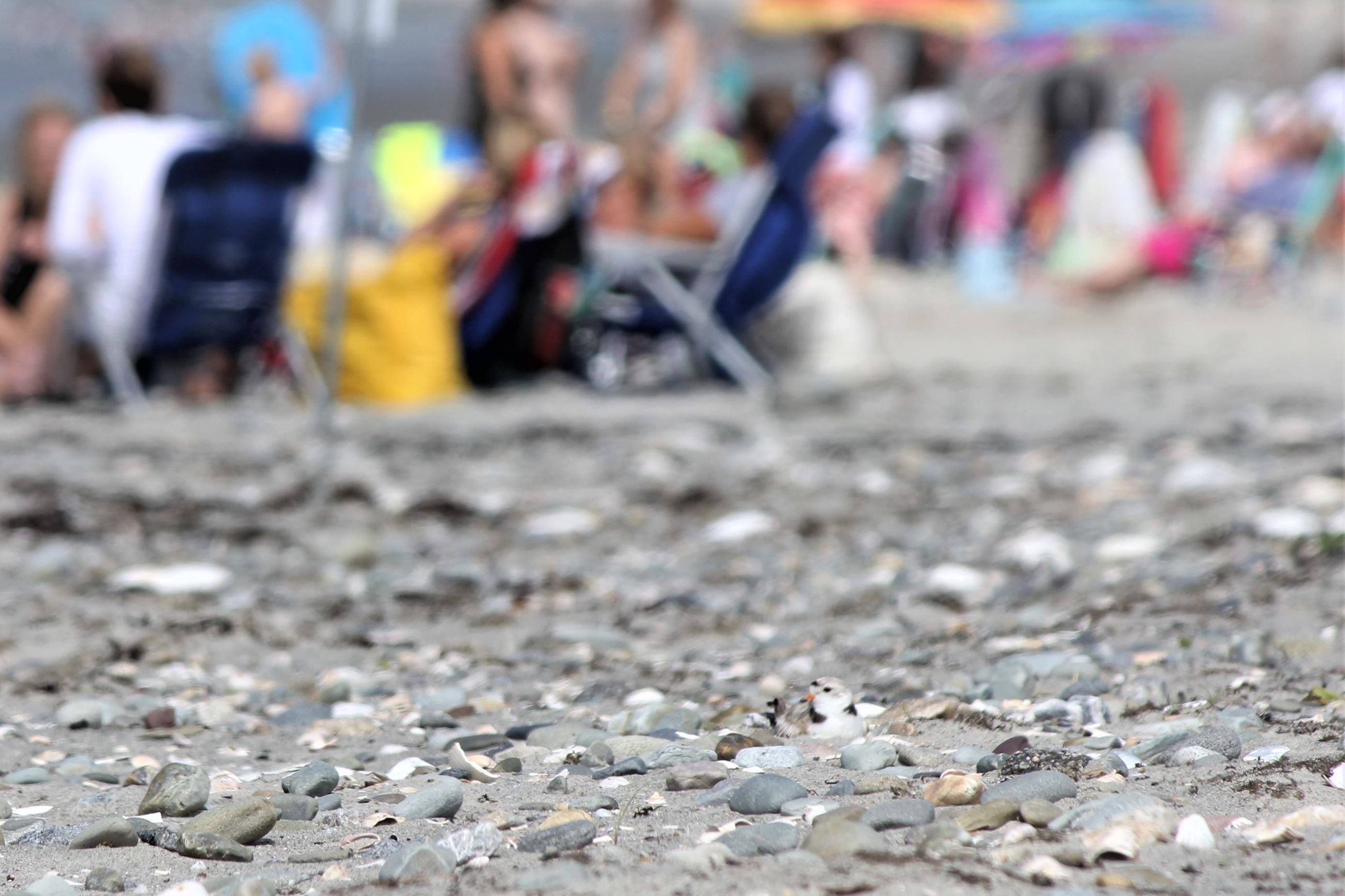
According to a recent report from Maureen Durkin, four plover pairs fledged a total of eight chicks while nesting earlier this summer at Second and Third beaches. She said another pair were at Third Beach, but never nested. Durkin is a wildlife biologist working with the U.S. Fish & Wildlife Service overseeing the shorebird program.
Overall, Durkin said plovers seemed to have a solid year across Rhode Island. She said there were 99 pairs of plovers nesting across the Ocean State, up from 85 pairs in 2020. The 99 pairs nesting tied the prior high in Rhode Island in 2015.
Middletown’s Facility & Operations Manager Will Cronin said good news with plovers was a positive for the Town.
“When you step back and think about it, it’s pretty cool that plovers are nesting on our beaches,” Cronin said. “It shows the beach is able to provide a habitat that aids in the comeback of a threatened species.”
This was the 20th consecutive summer plovers nested in the Middletown beach area.
“I think the Town’s relationship with the U.S. Fish & Wildlife Service, and particularly our Public Works Department, deserve a lot of credit for making the plovers a priority,” Cronin said. “The plovers are here every year.”
In mid-May, Durkin reported three pairs were at Second Beach, two on U.S. Fish & Wildlife Service property at the Sachuest Point National Wildlife Refuge, the other on the Town’s portion of the Sacuhest Point Road beach. She also said one pair was nesting on the Town’s portion of Third Beach and the other on the federal refuge side.
“The total of five pairs…is a high for the Sachuest area since they returned in 2002, so we’re very encouraged to see them doing so well…” Durkin said at the time. “Rhode Island dipped to only 10 pairs of plovers in the entire state around when the birds were listed as ‘threatened’ under the Endangered Species Act in the mid-1980s, and they were gone entirely from Middletown. Now, we're on the road to recovery and have around 80 pairs in the state and five in Middletown. This wouldn't have been possible without the help of many different organizations and support of the public.”
After almost being hunted out of existence, plovers are making a comeback in Rhode Island thanks to conservation efforts by Fish & Wildlife, the Town and partners like the Norman Bird Sanctuary and others. Previous news reports indicated plovers hadn’t been seen locally in decades before the confirmed 2002 nesting.
They’ve returned to the Town’s beaches every year since, with varying success. The male scratches the sand in several areas before the female picks a spot to lay her eggs. The nests are often lined with shell fragments and pebbles and are camouflaged, making them tough to see.
“The best thing people can do to help the plovers is to share the beach with them -- by respecting posted areas, following dog rules and giving them a little space if you come upon them feeding,” Durkin said. “People can also talk to their friends, neighbors, and fellow beachgoers about them and help generate support. Many people may not know about them, or only see the closed off areas and not realize that Middletown beaches are home to a rare species.”
“We can successfully use the beaches and enjoy our summer while also giving the birds some space to raise their families for a few months out of the year -- it just takes support from the community,” Durkin said. “Helping others to observe the birds from a safe distance can be a great experience as well. The best way to watch the plovers is to sit or stand still if you see them. Typically, if you remain still and watch they will go about their feeding or chick-rearing as if you aren't there. Plover chicks especially are adorable and fun to watch and many locals in Middletown that we meet out on the beach love to watch them grow up over the summer and track their progress.”
“The U.S. Fish & Wildlife Service has partnered with the Town of Middletown public works department for many years to manage plovers on the Town beaches, and they are great conservation partners,” Durkin said. “We also work with Norman Bird Sanctuary on Third Beach and have had the support of volunteers and community members to make plover conservation a success in Middletown.
“I think that the fact that the plovers keep returning, and the population slowly increasing, indicates that there's good habitat on Middletown beaches for them to nest on that is not developed, and they are able to successfully find enough food and raise their young here.”
####